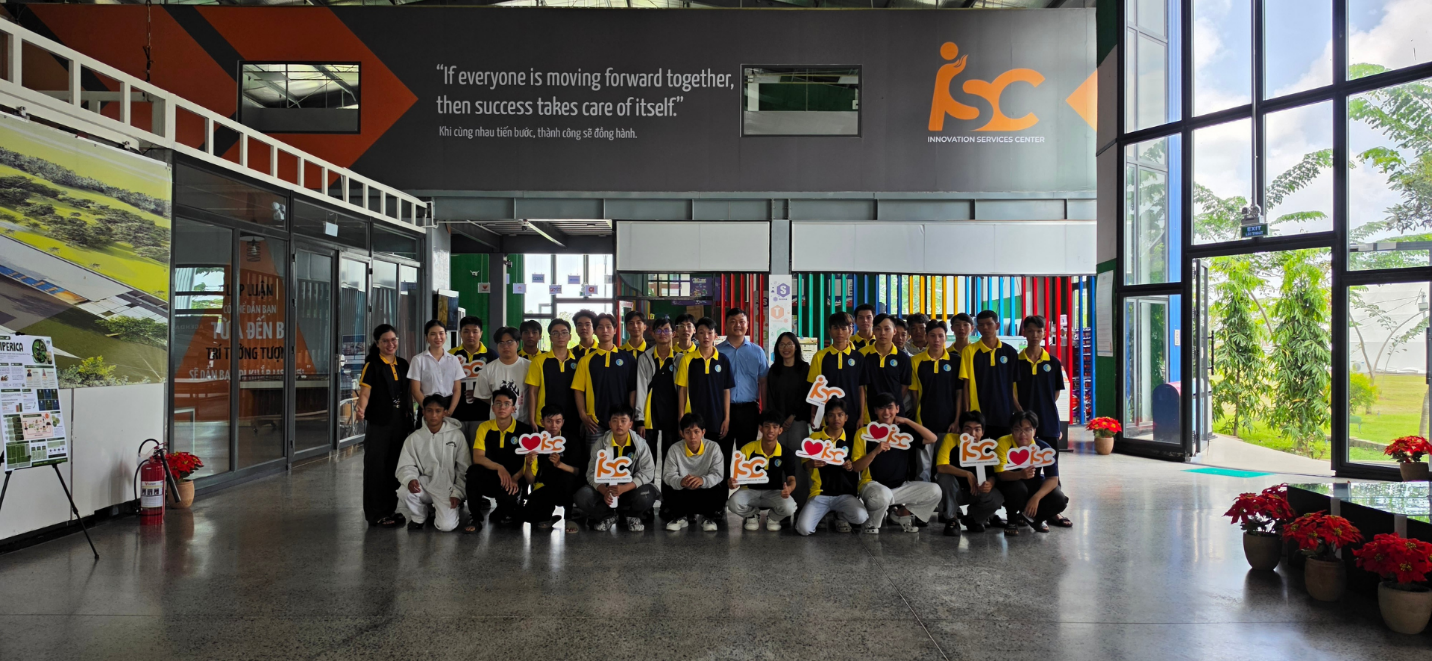
Against the backdrop of growing environmental pollution and rising pressure for sustainable development, waste is no longer viewed merely as "discarded residue" but is progressively recognized as a new type of resource. Organized within the framework of Vietnam Space Week 2026, the "NoWaste Now" competition vividly demonstrated this paradigm shift by gathering a series of highly practical green startup projects that merge technology, circular economy, and innovation. Spanning fields from agriculture and food to industrial environments, the competing teams proved that a younger generation is actively "redefining" the value of waste.
PetBed: Transforming Sugarcane Bagasse into an Alternative Pet Litter Solution
While Vietnam's pet market is growing rapidly, traditional litter products like bentonite continue to exert negative environmental impacts. Addressing this, the PetBed project—a bio-based pet litter made from sugarcane bagasse developed by students from UEH Mekong—introduced a noteworthy alternative. Concurrently, Vietnam possesses an abundant supply of agricultural by-products, particularly sugarcane bagasse, which has historically been underutilized, laying the perfect foundation for a circular economy model.
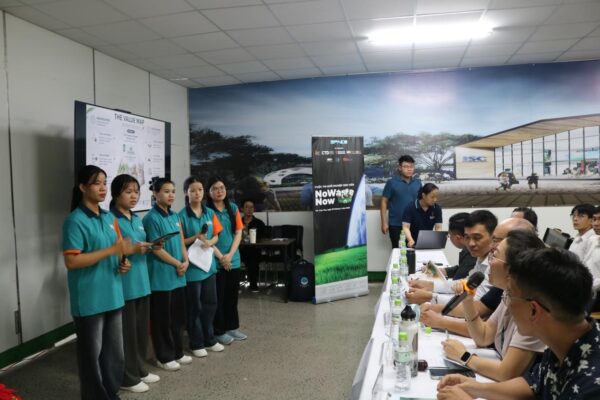
Targeting young urban pet owners, PetBed offers standout advantages: it is dust-free, safe for the respiratory systems of both pets and owners, lightweight for apartment living, and water-soluble, making disposal much simpler than traditional litter. After use, the product can be composted into organic fertilizer within 45 to 60 days, effectively closing the material's lifecycle loop.
Beyond meeting consumer demand, PetBed leverages local raw materials in the Mekong Delta to optimize production costs and boost competitive advantage. However, the project still needs to refine its clumping capability, odor control, and adaptation to hot and humid weather, while gradually shifting consumer habits away from traditional litter. Even so, with a clear direction, PetBed is evaluated as a highly promising model in the green consumerism trend.
Snack Tempeh: Redefining Healthy Snacks through Soybean Fermentation
While PetBed approaches environmental challenges from a material standpoint, the Snack Tempeh project by a student team from Can Tho University focuses on nutritional innovation within the food industry. Developed from fermented soybeans, the product aligns with the rising health-conscious dietary trends among youth under the slogan “Crunch into Flavor, Shape Your Figure”.
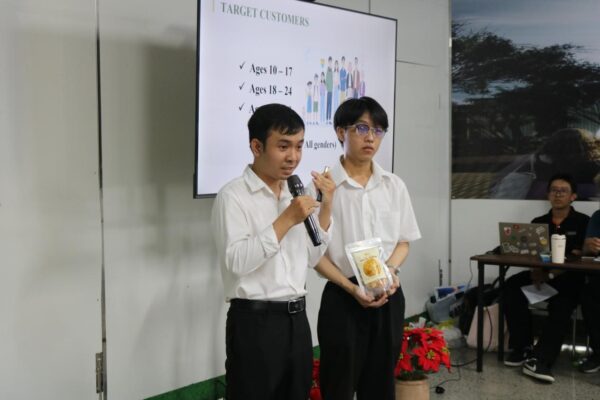
The project utilizes fermentation technology combined with precise temperature control during frying to optimize nutritional value. It features two core flavors: spicy cheese for the youth and a traditional flavor for macrobiotic dieters. Per 100g, the product delivers 543 kcal and 14.6g of plant-based protein, enriched with vitamin B12 and probiotics nutrients often lacking in vegetarian diets.
Stemming from the realities of rising obesity rates and the demand for high plant-protein foods, the project targets vegetarians, fitness enthusiasts, and young people pursuing an "Eat Clean" lifestyle. Its outstanding strength lies in its circular production model, utilizing 100% of soybean by-products while incorporating biodegradable packaging and wastewater treatment.
Nevertheless, the project faces challenges regarding market competition and the risk of replication. Consequently, brand building and expanding distribution networks to gyms and clean food stores are deemed crucial long-term strategies.
GreenConnect: Rescuing Grade-II Agricultural Produce through a Circular Supply Chain
In agriculture, GreenConnect AgriLoop—another student team from UEH Mekong—emerged as a solution to crop loss in the Mekong Delta, where 10% to 20% of harvested produce fails to meet commercial standards and goes to waste each season. The project establishes a closed loop of sourcing, processing, and distribution to add value to Grade-II agricultural products.
GreenConnect purchases produce directly from farmers and cooperatives, processing them into convenient products such as pre-cut sweet potatoes or packaged lime juice extract. These products are distributed to restaurants and food and beverage (F&B) chains via a digital platform featuring integrated traceability, priced 10% to 20% lower than the market average. Organic by-products are further recycled into organic fertilizer, establishing a completely closed loop.

This initiative not only boosts farmers' income but also curtails resource waste and environmental emissions. However, logistics, cold chain management, and seasonal dependency remain major hurdles. If these operational elements are successfully managed, GreenConnect holds the potential to expand across the entire Mekong Delta region and eventually enter export markets.
Waterlytics: Digitizing Industrial Wastewater Management via IoT
In the industrial sector, Waterlytics delivers a technological solution to tackle untreated or substandard wastewater, which currently accounts for roughly 70% of industrial discharge in Vietnam. Developed by a student team from Greenwich University Can Tho, the project focuses on seafood enterprises in the Mekong Delta, which face strict environmental compliance pressures for international exports.
The Waterlytics system combines IoT sensors to monitor real-time wastewater metrics such as pH, COD, DO, and TSS, alongside a SaaS platform that automates ESG reporting. Notably, their “Water Reuse Marketplace” model enables the trading of recycled wastewater, unlocking a pioneering approach to the water resource circular economy.
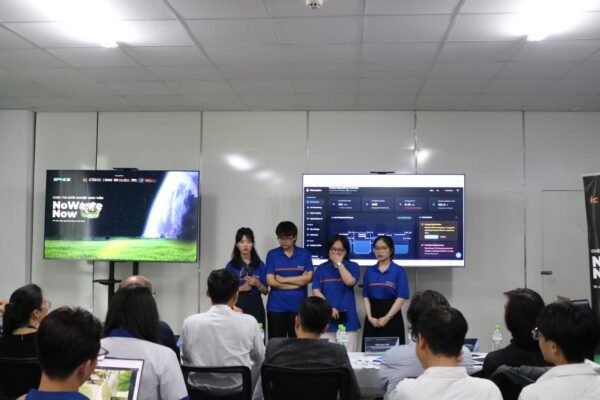
Despite its massive potential, the project faces financial barriers regarding hardware costs and an incomplete regulatory framework. Nonetheless, with a diversified business model and a clear market entry strategy, Waterlytics is highly regarded as an ideal solution aligned with global green transition trends.
AMURIWINE: Capitalizing on Surplus Fruits to Form a Fermented Product Ecosystem
Within the deep-processing agricultural category, the AMURIWINE DE ZERO WASTE project by a student team from the Can Tho University of Technology and Science (CTUT) stands out by utilizing sub-standard soursop fruits to craft a "zero-waste" product ecosystem. Post-harvest fruit losses of 20% to 30% served as the driving force for the team to engineer a closed circular economy model.
Their product lineup includes naturally fermented soursop wine, fruit-pulp beverages, gummy candies, and bio-fermented products. Remarkably, the leftover pulp by-products are repurposed to manufacture gummy candies, fully optimizing the raw material's entire value chain.
The project is highly praised for its creativity and market scalability, though it still needs to refine its sourcing protocols and ensure raw material quality consistency. If brand building and distribution systems are properly established, AMURIWINE could become a prime representative of value-added agriculture in Vietnam.
GreenShield Mekong: Biodegradable Packaging Made from Water Hyacinth and Lotus Leaves
Confronting the severe plastic waste crisis in the Mekong Delta, the GreenShield Mekong project by students from FPT University Can Tho developed a fully compostable bio-packaging solution using water hyacinth and lotus leaves. The project caters to both agricultural export enterprises and eco-conscious consumers.
The product not only drives down material raw costs but also actively cleans up local waterways by harvesting invasive plants. Concurrently, a QR-code-based traceability system enhances transparency and curtails market "greenwashing".
Nevertheless, the most formidable challenges lie in water-resistance capabilities and material durability. Overcoming these technical barriers will allow GreenShield Mekong to serve as a powerful alternative to traditional plastic packaging.
From materials and food to environmental technology, the projects showcased at NoWaste Now signal a distinct shift: waste is no longer the final terminal of value, but rather the starting point for innovative business models. The thread connecting these projects is a shared mastery of circular economy thinking—where resources are maximized, reused, and continuously regenerated.
Despite lingering technical, market, and consumer habit challenges, these models prove that green entrepreneurship has evolved past theoretical concepts into a practical path shaping a sustainable future for Vietnam.
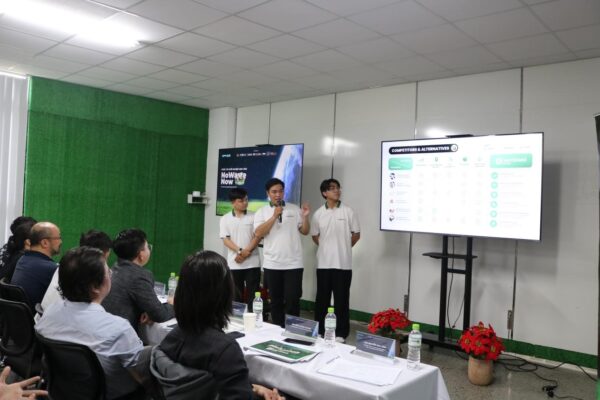
The Grand Finale took place at the Innovation Services Center (ISC Hau Giang) on May 28, 2026, featuring 6 exceptional finalist projects pitching in front of industry experts. Teams pitched their startup ideas in Vietnamese using English slide presentations for 10 minutes, followed by a 10-minute Q&A session with the Panel of Judges. At 5:00 PM on the same day, the Organizing Committee officially announced the winners:
- First Prize: Awarded to GreenShield Mekong (FPT University Can Tho). The prize includes a Certificate of Merit, a 5 million VND cash reward, a special gift package, and exclusive invitations to attend the prestigious VIP Gala Dinner with NASA Astronauts and space scientists held that evening.
- Second Prize: Awarded to Amuricata de Zero Waste (Can Tho University of Technology and Science), receiving a Certificate of Merit, a 3 million VND cash reward, and a special gift package.
- Third Prize: Awarded to Waterlytics (Greenwich University Can Tho), receiving a Certificate of Merit and a 2 million VND cash reward.
- Consolation Prizes: Awarded to three projects: PetBed (UEH Mekong), GreenConnect AgriLoop (UEH Mekong), and Snack Tempeh (Can Tho University), with each team receiving a Certificate of Merit and a 1 million VND cash reward.
Beyond the immediate financial awards, all 6 finalist teams gain an incubation package at ISC lasting 6 to 12 months. This includes access to advanced training programs, direct mentorship, and networking opportunities with experts and venture capitalists to commercialize and scale their green solutions.