Model Introduction
The Technology Incubation & Innovation Support Center (ISC) Hậu Giang is piloting a bronze featherback fish farming model that applies Internet of Things (IoT) and artificial intelligence (AI) in phased stages, with the aim of optimizing clean aquaculture practices and protecting the environment.

Figure 1: IoT system for monitoring pond water quality
Phase 1 of the model focuses on installing a sensor system to collect pond environmental data such as temperature, pH, and dissolved oxygen (DO) levels. Phase 2, starting in March 2025, continued with trials of the Smart Box and SC systems to automate the control of equipment such as water pumps and aerators. Phase 3 will further develop an AI system to analyze fish-related data and make optimal control decisions.
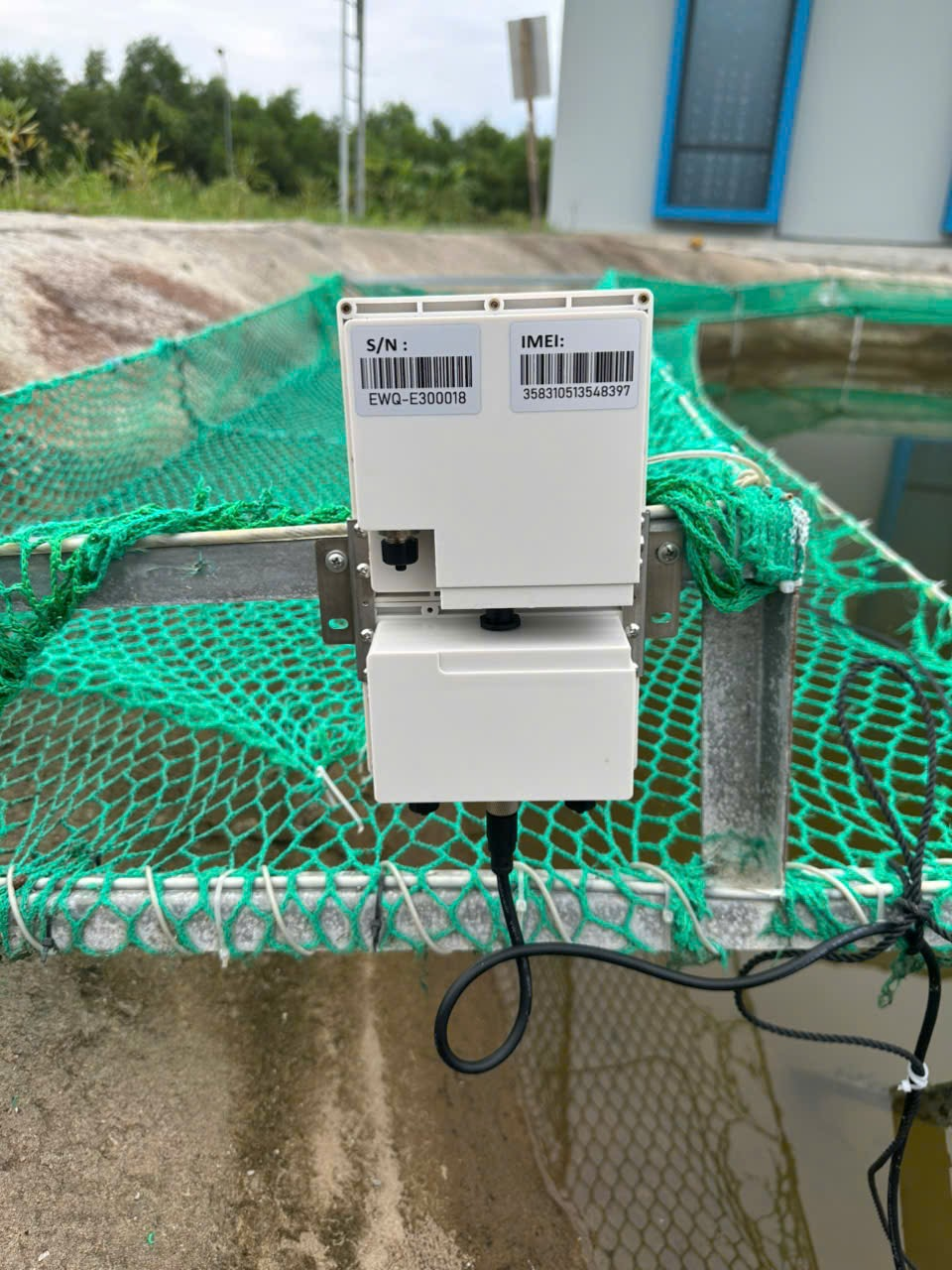
Figure 2: Smart Box for controlling fish-farming equipment

Figure 3: Sensor system
How the system works
- Data collection and processing: Sensors installed in the pond continuously measure key environmental parameters. This data is transmitted to the control center, where it is processed and displayed via a remote monitoring platform.

Figure 4: Smart Box data-processing workflow
Smart Box equipment control: Sensor data is sent to the Smart Box—an intermediary controller that switches devices such as water pumps and aerators on or off in real time. Operators can control the system either on-site or remotely through an interface on a computer or mobile phone.

Figure 5: Monitoring interface on the IoT platform
– Monitoring and alerts: The IoT monitoring platform allows farmers to track pond conditions anytime, anywhere. The system also sends alerts when parameters exceed safe thresholds, enabling operators to intervene promptly.
Benefits of the model
– Real-time environmental monitoring: With IoT sensors, farmers can continuously track key parameters to maintain optimal living conditions for the fish.
– Automation and cost savings: The Smart Box automates equipment control and reduces manual intervention, helping to save time, labor, and operating costs.
– Optimized living conditions: Based on expert recommendations and collected data, the system adjusts temperature, pH, dissolved oxygen (DO), and other indicators to optimal levels so the fish can grow healthily.
– Environmental protection: Optimized control of water filtration and recirculation helps minimize waste and reduce water pollution.
Implementation steps
- Step 1: Install the sensor system
- Step 2: Consult experts to define ideal environmental conditions
- Step 3: Set up control center and data processing
- Step 4: Install and integrate the Smart Box for equipment control
- Step 5: Connect to the remote monitoring platform
- Step 6: Test and calibrate the system
- Step 7: Develop AI and finalize the model (in the next phase).
Future research directions
The IoT- and AI-enabled bronze featherback fish farming model implemented by ISC marks an important step in modernizing the aquaculture sector. It not only helps increase productivity and reduce costs, but also opens up opportunities to develop smart, sustainable agriculture models in the future. In Q3 2025, ISC will continue piloting a model for raising bronze featherback fingerlings. ISC looks forward to partnering with organizations to transfer this technology model to farmers. For further details, please contact ISC Hậu Giang